
- September 17, 2025
- Kevin Kholer
Near Miss Reporting: Why It Matters (Part 2)
Turning close calls into actionable safety improvements.
Near Misses Are a Big Deal
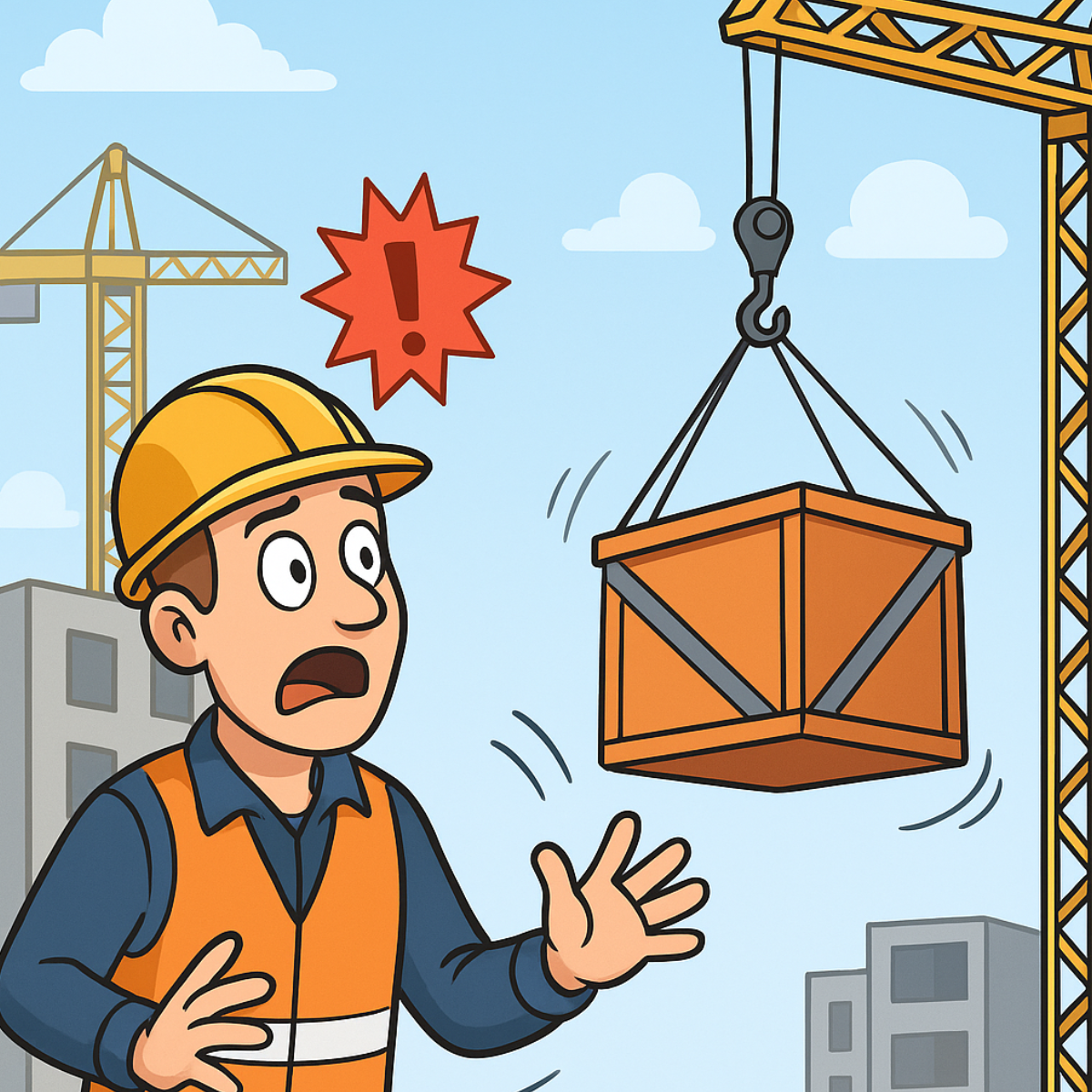
In Part 1, we defined a near miss as an incident that could have resulted in injury or damage—if not for a slight change in circumstance. While the term sounds harmless, the potential consequences can be catastrophic.
A real-world example highlights the risk:
In 2017, a Canadian airliner came just 18.2 metres from a runway crash at San Francisco International Airport—narrowly avoiding what could have been the worst aviation accident in history. The incident was slow to be reported, and key cockpit recordings were lost. Despite multiple warning signs, no action was taken to evaluate or retrain the crew involved.
This underscores the importance of timely reporting. Every near miss, no matter how minor, is a chance to learn—and possibly prevent disaster.
Is It Worth Reporting Minor Near Misses?
Yes. While criticisms of Heinrich’s safety triangle are valid—especially the idea of fixed ratios across all industries—the core concept still holds value:
Addressing minor incidents can help reduce the risk of major ones.
You may not be able to predict exactly when or how a serious event will occur, but ignoring smaller incidents is a missed opportunity. Near misses often point to gaps in training, equipment, or procedures. A strong safety culture takes every incident seriously, regardless of the outcome.
It’s also important to note that this approach may not apply equally to all types of hazards. Low-probability, high-impact events might not have clear warning signs—but that doesn’t make near miss reporting any less essential.
Are Near Misses Legally Reportable?
It depends on your jurisdiction.
For example, in Alberta, certain near misses must be reported under Occupational Health and Safety (OHS) legislation. The province defines a Potentially Serious Incident (PSI) as:
“Any event where a reasonable and informed person would determine that under slightly different circumstances, there would be a high likelihood for a serious injury to a person.”
If you operate in a region with similar regulations, investigating and reporting these incidents isn’t just best practice—it’s a legal requirement.
Best Practices: Building a Near Miss Reporting Culture
Promoting a healthy reporting culture brings real benefits, even if exact risk reduction numbers are hard to quantify. Here’s how to support it:
✅ Make the process clear. Communicate your policies and procedures for reporting near misses.
✅ Set goals. Establish measurable objectives to track and improve reporting.
✅ Keep it educational. Avoid blame—focus on learning and improvement.
✅ Take action. Investigate reports, share findings, and follow up on corrective actions.
Final Thought
Near miss reporting is more than paperwork—it’s a proactive safety tool that helps prevent real harm. Make it a core part of your health and safety program, and treat every close call as an opportunity to improve.