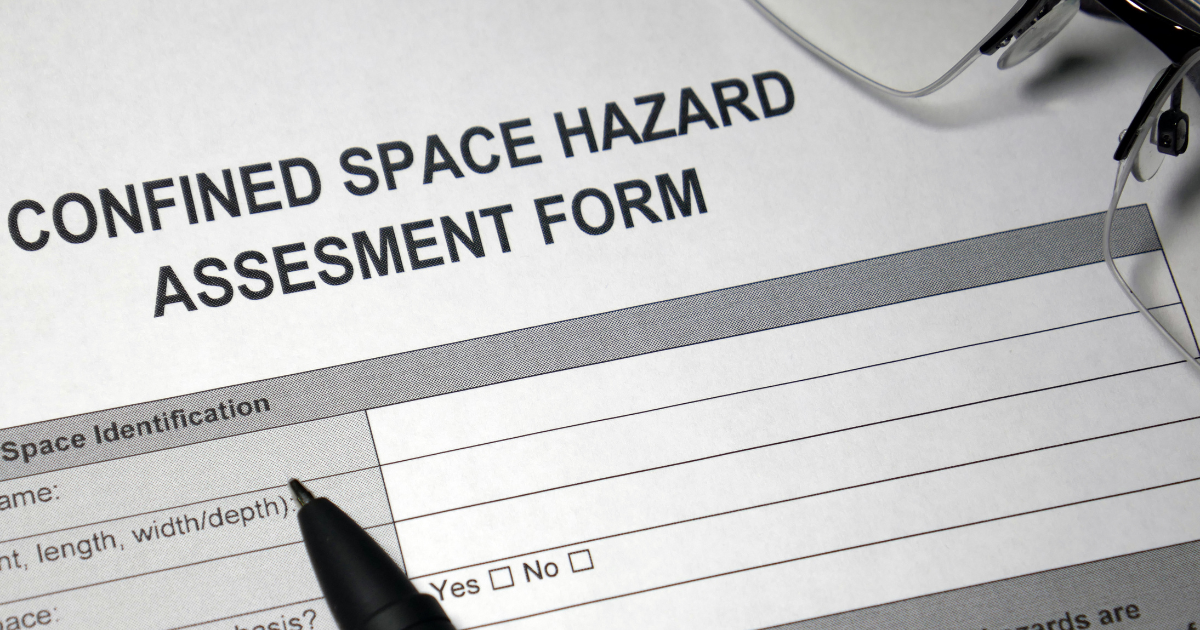
The Power of Pre-Job Hazard Assessments: Why They Matter and How to Do Them Right
Why Hazard Assessments Are a Must
No matter your industry, identifying and managing workplace hazards isn’t just good practice — it’s the law. Safety regulations often require employers to assess and control risks, either explicitly or through general duty clauses that mandate taking all reasonable steps to protect workers.
This post breaks down the hazard assessment process, with a focus on pre-job hazard assessments — a practical tool teams can use daily to stay safe on the job.
Step 1: Identify the Hazards
Before you can control a hazard, you need to know it exists. That starts with hazard identification.
Use your experience and knowledge of similar tasks to create a checklist of potential hazards. Think beyond the obvious — consider different classes of hazards (physical, chemical, ergonomic, etc.) that could appear based on the work, environment, and tools being used.
Step 2: Assess the Risk
Once hazards are identified, evaluate the level of risk they present. A common formula used is:
Risk = Probability × Severity
Probability: How likely is it that the hazard could lead to an incident?
Severity: What would be the impact if something went wrong?
Assigning a risk rating (e.g., low, medium, high or critical) helps prioritize which hazards need the most urgent attention.
Step 3: Control the Hazards
After assessing the risks, you need to control them — starting with the most effective solutions. Follow the Hierarchy of Controls:
Eliminate the hazard completely
Use Engineering Controls (e.g., barriers, ventilation)
Train workers on how to use these controls and monitor their effectiveness over time.
Types of Hazard Assessments
Different situations call for different types of hazard assessments:
Job Position Assessments: Identify hazards for each role and its routine tasks
Site-Specific Assessments: Tailored for new or unique work environments
Pre-Job Hazard Assessments: Done right before starting a specific task
Job Hazard Analyses (JHAs): Used to create repeatable Safe Operating Procedures (SOPs)
Why Pre-Job Hazard Assessments Matter
A Pre-Job Hazard Assessment is one of the most effective day-to-day safety tools. It helps teams stay focused on the specific risks they face that day — and how to control them.
Best Practices for Pre-Job Hazard Assessment:
Involve the whole crew: Everyone should participate and contribute
Keep it practical: Focus on actual site conditions and tasks for that day
Use it as a reminder: Reinforce known hazards and existing controls
Update it as needed: If the scope of work changes, reassess the hazards
Consider integrating pre-job HAs into your daily safety meetings or safe work permit process. It’s a simple step that can make a big impact.
Final Thought
Hazards can’t be controlled if they aren’t identified. By making Pre-Job Hazard Assessments a consistent part of your safety culture, you can significantly reduce risk — and protect your people.
Your InUnison includes a “Pre-Job Hazard Assessment / Tailgate Safety Meeting” form — a great tool to help your crews put this into practice.
Please contact your InUnison safety representative if you require any assistance with your Hazard Assessments Program.
Book a Free Consultation
Navigating regulatory requirements can be tough, but we’ve got you covered. Our platform is designed to meet SECOR/COR and Occupational Health and Safety (OHS) standards, giving you peace of mind that your safety management is always compliant.